A Proposal from Monstarlab · April 2026
A custom kiosk experience built on your Olo infrastructure.
Executive Summary
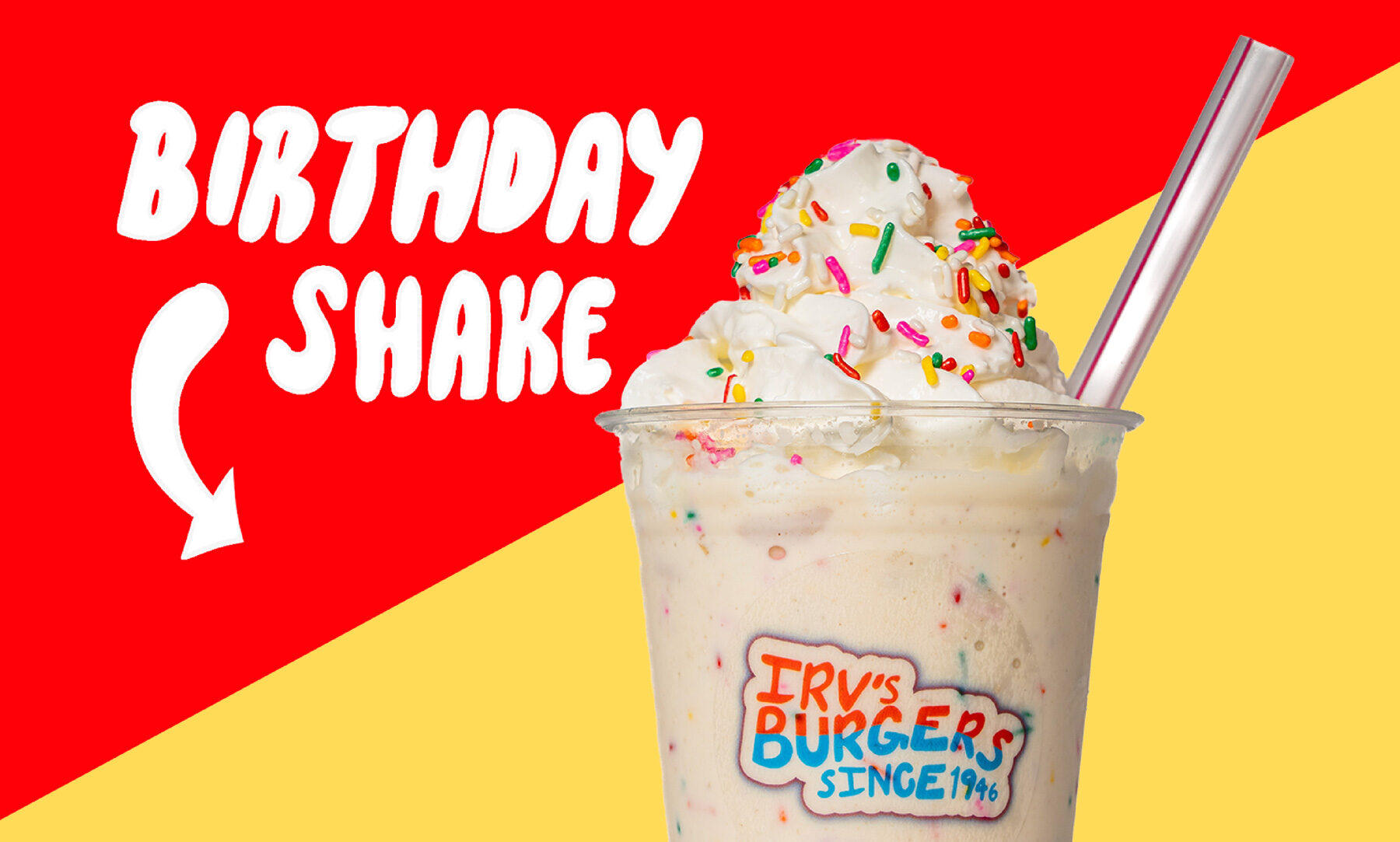
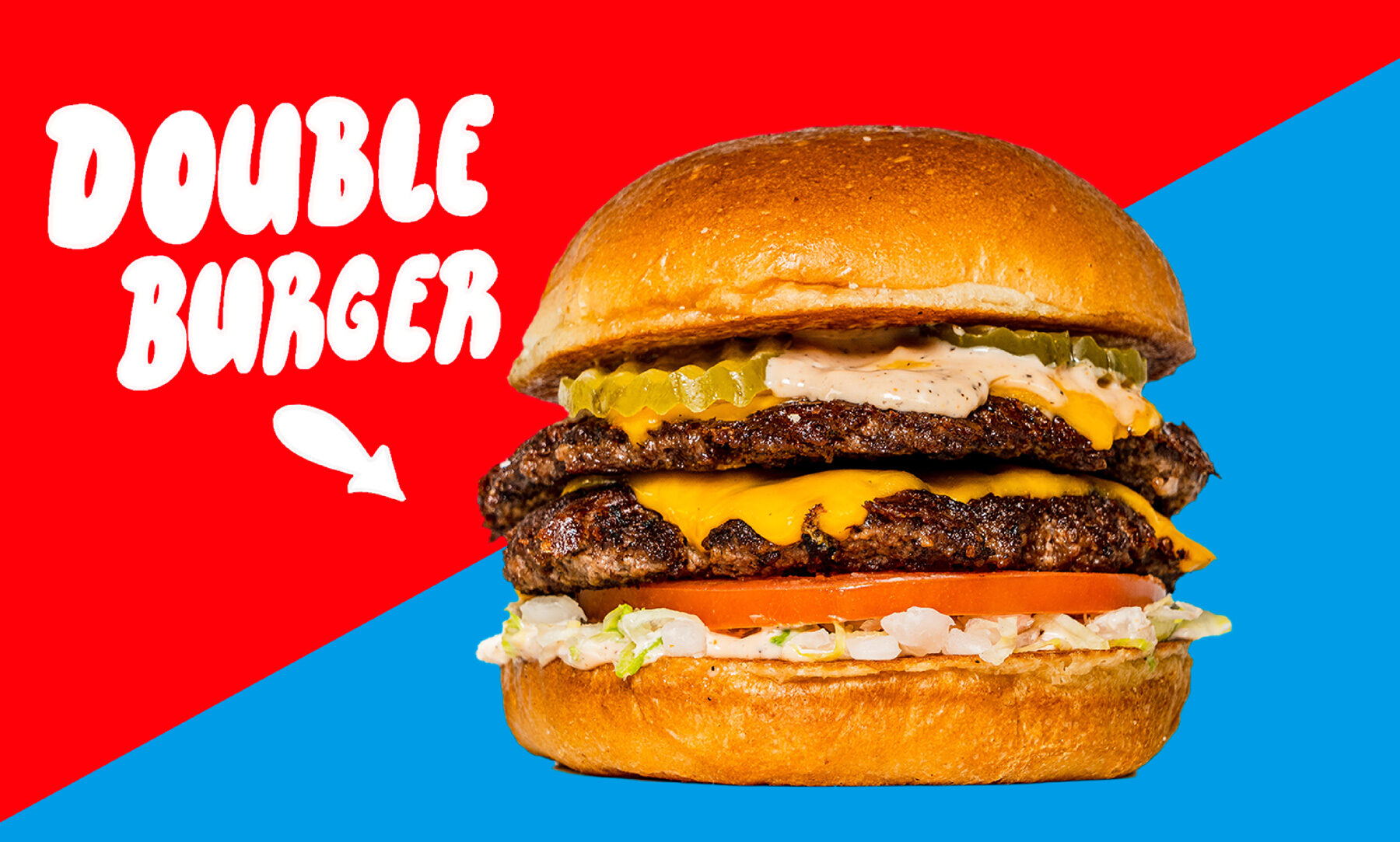
Kiosk orders at quick-service restaurants average 15–20% higher ticket values than counter orders. Customers move at their own pace, browse visuals, and make more add-on selections without social pressure from a line behind them. For Irv's, where burger customizations, fries, shakes, and sauces are natural upsells, that dynamic should be especially strong.
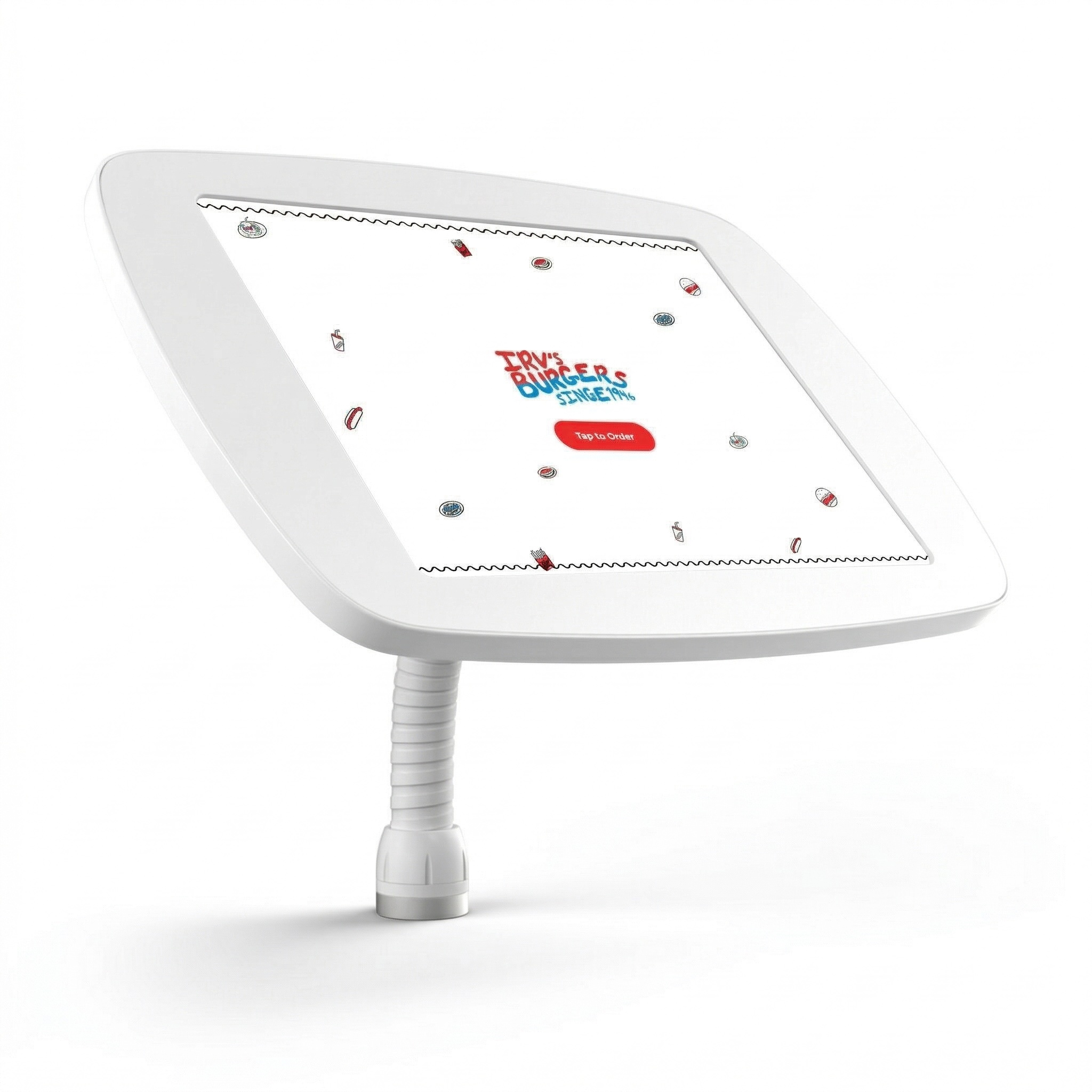
Off-the-shelf kiosk products handle the transaction. They don't deliver the brand experience. We propose a custom kiosk application built on your new Olo infrastructure, deployed on iPads, starting with a single-location pilot before rolling out across multiple Irv's locations.
You'll own the kiosk application and supporting backend outright, with no ongoing licensing fees.
Approach
Each phase has a clear go/no-go decision point before committing to the next. A pilot surfaces UX unknowns (how your specific clientele interacts with it) and operational unknowns (staff workflow, hardware placement, edge cases at the counter) before you've invested in hardware across multiple locations.
Phase 1 · Pilot
Phase 1 is intentionally scoped to the core ordering experience. Full loyalty redemption and brand expansion are deferred until the pilot validates assumptions.
| Feature | Phase 1 | Phase 2 | Phase 3 |
|---|---|---|---|
| Menu browsing with category navigation | ✓ | ||
| Item detail pages with customization | ✓ | ||
| Cart and order review | ✓ | ||
| Upsell prompts (driven by Olo menu) | ✓ | ||
| Olo integration (menu sync + order submission) | ✓ | ||
| Payment processing (Olo Pay or Stripe Terminal) | ✓ | ||
| Basic Paytronix loyalty (phone number for point earning) | ✓ | ||
| Webhook listeners for real-time menu updates | ✓ | ||
| iPad Air 13" deployment — one pilot location | ✓ | ||
| ADA-compliant lower-mount option | ✓ | ||
| Full six-location rollout | ✓ | ||
| Full Paytronix redemption UI | ✓ | ||
| Prince Street Pizza kiosk | ✓ |
Phase 1
Design Approach
The existing prototype establishes the visual direction. Phase 1 design work translates that into a production-ready system, optimized for one constraint above all others: a first-time customer should complete an order in under a minute.
Every layout decision is filtered through tap count and time-to-order. Irv's has a loyal older clientele who value simplicity. That means generous touch targets, minimal nesting, and a checkout flow that never asks for information it doesn't need. We'll measure success by how few taps it takes to complete a typical burger-fries-shake order.
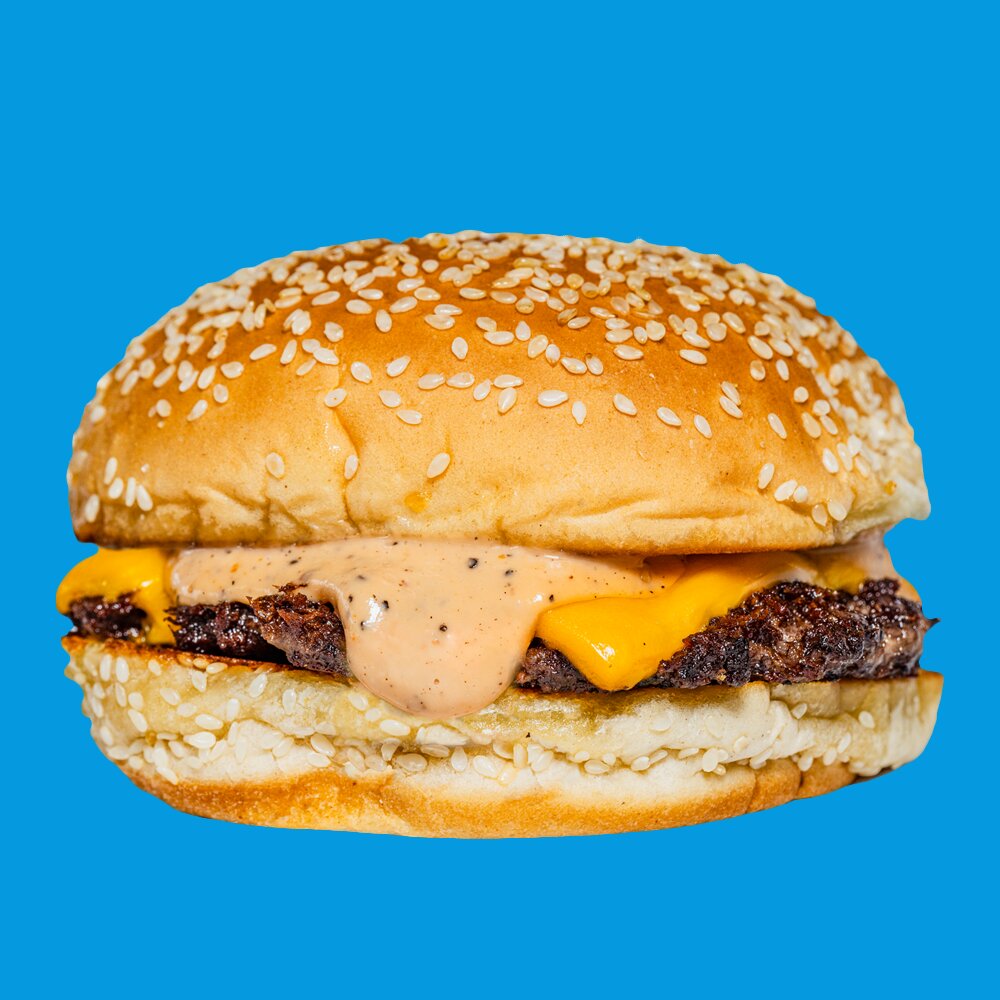
The 15–20% ticket lift doesn't come from pop-ups or interstitials that slow checkout. It comes from how items are presented: food photography at the item detail level, smart add-on placement within the customization flow, and suggested pairings that feel like part of the menu rather than interruptions. Design drives this outcome, not just Olo configuration.
The visual language is Irv's: color palette, typography, photography treatment, animation style. The UI components underneath are built to be reusable. Extending to Prince Street in Phase 3 means applying a new brand layer to the same components, not redesigning screens. We make this structural decision in Phase 1 so Phase 3 stays small.
Strong kiosk performance depends on high-quality menu imagery. We'll provide an asset spec (dimensions, background treatment, file format) and a delivery timeline that syncs with the design schedule. If photography isn't ready, the kiosk launches with a fallback layout, but the upsell effectiveness takes a hit. This is a shared dependency worth getting right early.
Technical Architecture
The iPad app talks only to our backend, which coordinates all provider communication. No provider receives a direct call from the client.
Hardware
Delivery Plan
Commercial Model
No licensing fees, no ongoing transaction percentage, no dependency on Monstarlab after delivery.